Teaching Your Puppy to Be Alone: Preventing Separation Anxiety
Being comfortable alone is a skill, and like any skill it is taught. For companion breeds that adore their people, teaching it early is one of the kindest things you can do.
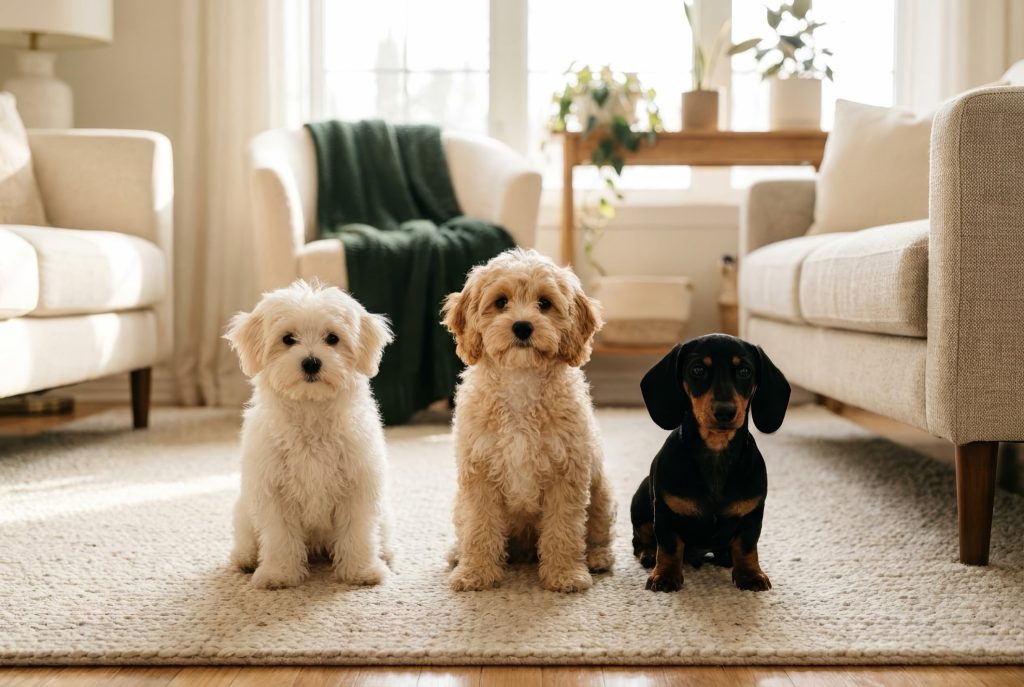
Maltipoos and Cavapoos in particular are bred to bond closely, which is wonderful company and a real risk if a puppy never learns that alone-time is safe and temporary. The fix is to build independence gradually, starting the very first week.
Start before you need it
Do not wait for the first work Monday to discover your puppy cannot cope. From day one, weave short, calm separations into normal life so being apart becomes unremarkable rather than alarming.
- Practice tiny absences. Step behind a door for seconds, then return calmly, and build up from there.
- Keep arrivals and departures low-key. No dramatic goodbyes, no over-the-top reunions.
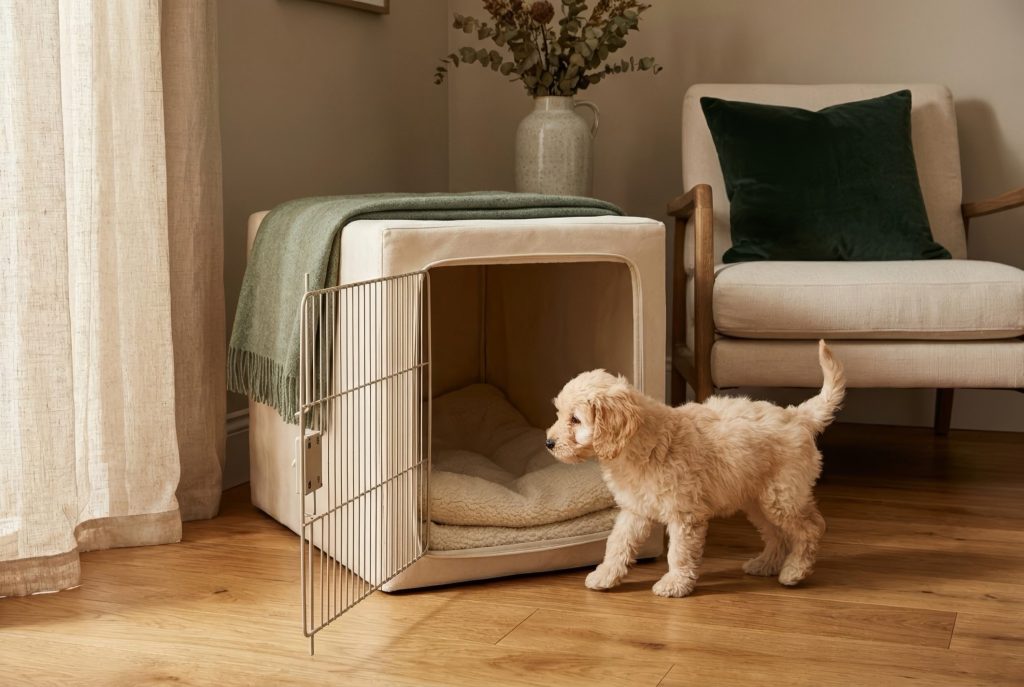
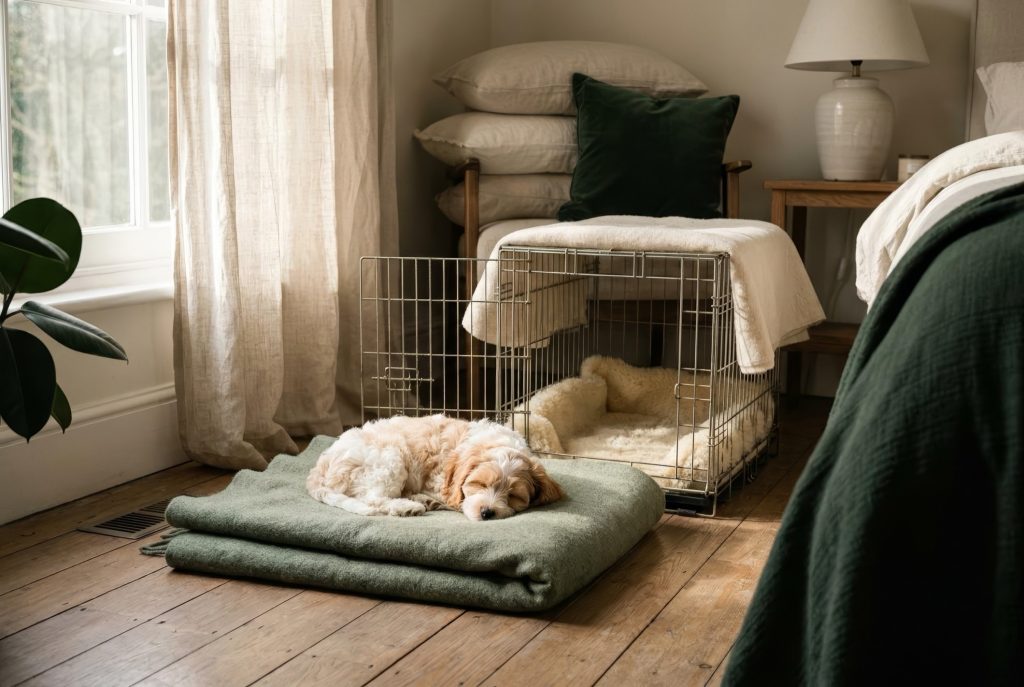
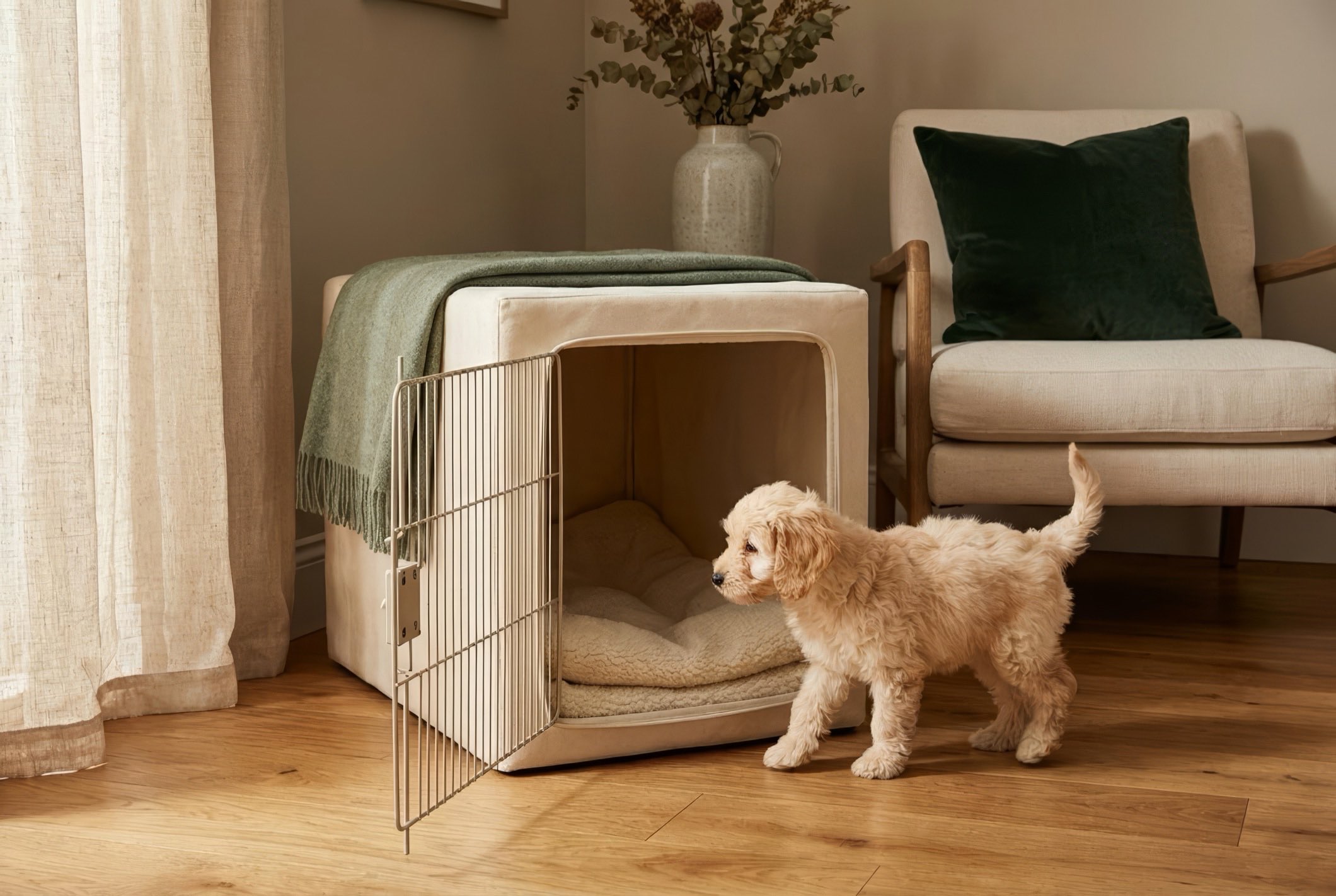
- Make the settle spot lovely. A crate or bed with a chew that only appears when you leave.
- Tire them first. A puppy that has walked, played and eaten settles far more easily.
It feels unnatural to encourage a devoted puppy to be apart from you, but a dog that panics when left is a dog that suffers every working day. Teaching calm alone-time early is an act of love, not distance.
Warning signs to watch for
Distress that goes beyond a little settling in, such as persistent howling, destruction focused on exits, drooling or accidents only when alone, can signal separation anxiety. Caught early it is very manageable. Left to build, it is harder, so act at the first hint rather than hoping it passes.
If you work full days
Plan for it honestly. A midday walker, a trusted neighbor, or day care a few times a week bridges the gap while a young puppy builds tolerance. The goal is that no puppy is left longer than it can currently cope with.
- Alone-time is taught. Build it in gradually from the first week.
- Keep comings and goings calm. Low drama teaches that leaving is no big deal.
- Act early on warning signs. Separation anxiety is far easier to prevent than to cure.
If your puppy shows signs of genuine separation anxiety, a veterinarian or qualified behaviorist can help before the pattern becomes established.
More from the Everpine Journal
- Training
Crate Training Without the Stress: A Gentle 7-Day Plan
5 min read - Training
Socializing Your Puppy in the First Twelve Weeks
2 min read - Training
House Training a Small Breed: A Patient, Practical Plan
2 min read